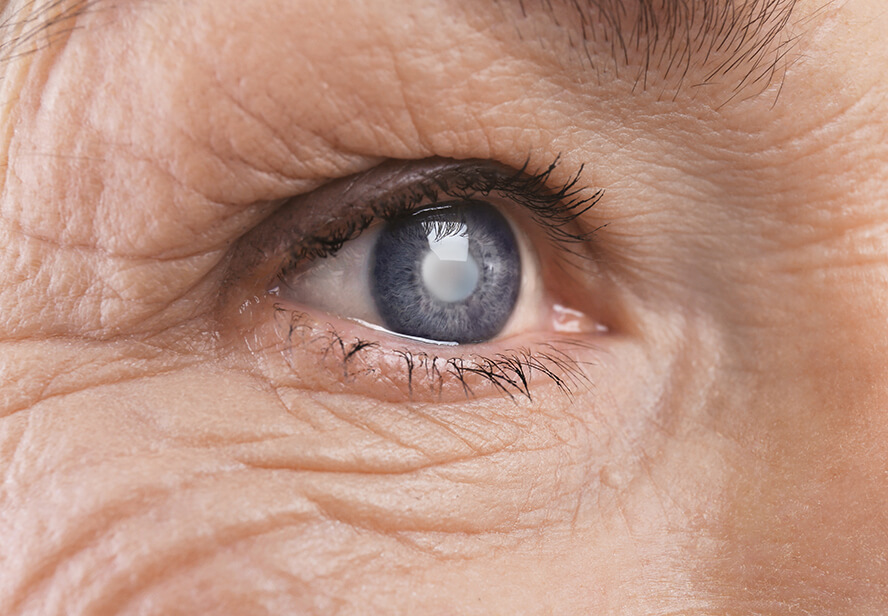
Learn More About Cataracts If your vision is becoming blurry, colors look faded, or driving at night is getting harder, you may have a cataract.
Cataracts are very common, especially as we age—and the good news is that cataract surgery is one of the safest and most successful procedures in medicine.
This page will help you understand your symptoms, your options, and when it may be time to consider cataract surgery.
VIDEO Start Here If you’re just beginning to learn about cataracts or preparing for an appointment:
Do These Sound Familiar? Cataracts often develop slowly. You may notice:
Blurry or cloudy vision Difficulty driving at night Glare or halos around lights Colors appearing faded or yellowed Needing brighter light to read Frequent changes in your glasses prescription If you recognize several of these symptoms, a cataract may be affecting your vision.
What Is a Cataract? Inside your eye is a natural lens that helps focus light so you can see clearly.
Cataracts are not a growth or film on the eye—they are a normal part of aging and develop gradually.
When Is It Time for Cataract Surgery? Cataract surgery is not based on a specific number or test—it’s based on how your vision is affecting your daily life.
You may be ready for surgery if:
Driving (especially at night) is difficult Reading or screen use is harder Glare is bothersome Your vision is interfering with work or daily activities If cataracts are affecting your quality of life, it may be time to consider surgery.
What Is Cataract Surgery? Cataract surgery removes the cloudy lens and replaces it with a clear artificial lens (called an intraocular lens, or IOL).
Typically takes about 10–20 minutes Performed as an outpatient procedure Usually one eye at a time Designed to improve vision and reduce symptoms Lens Options After Cataract Surgery Not all lens implants are the same. Choosing the right lens depends on your vision goals and lifestyle.
Standard Lens Covered by insurance Improves distance vision Glasses usually needed for reading Advanced Lens Options May reduce dependence on glasses Can improve both distance and near vision Designed for greater visual flexibility Astigmatism Correction (Toric Lenses) Corrects irregular curvature of the eye Can improve clarity and reduce need for glasses Dr. Goel will help you choose the best option based on your needs.
Laser Cataract Surgery Laser-assisted cataract surgery uses advanced technology to enhance precision during certain steps of the procedure.
For some patients, this allows for a more customized approach to surgery.
What to Expect Before Surgery A detailed eye exam and measurements Discussion of lens options Personalized surgical plan During Surgery Quick outpatient procedure Minimal discomfort You are awake but relaxed After Surgery Vision often improves within a few days Eye drops are used during recovery Most patients return quickly to normal activities Common Questions Is cataract surgery painful?
Will I still need glasses?
How long is recovery?
Is cataract surgery safe?
Can both eyes be done at the same time?
This Page Is For You If: Your vision is becoming blurry or cloudy Night driving is more difficult Lights cause glare or halos You’ve been told you have cataracts You want to understand your options before surgery Schedule a Cataract Consultation If cataracts are affecting your daily activities, it may be time for an evaluation.
📞 Call 856-795-8787 Contact us here .